

Learn how Hadrian helps security teams find, verify, and fix what attackers actually exploit.

Analizzare
Ricognizione automatizzata, istinto da hacker
Inizia da dove iniziano gli hacker
La piattaforma di sicurezza offensiva di Hadrian parte da dove parte l'attaccante: internet. La causa principale delle violazioni è triplicata negli ultimi 2 anni.
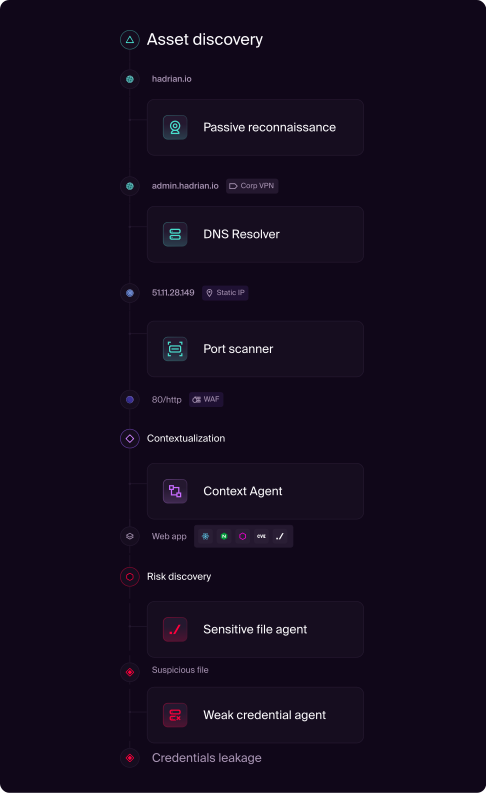
Hadrian esegue una discovery continua, con scansioni che in genere vengono eseguite ogni ora o dopo un trigger basato su eventi, per mantenere un inventario completo del perimetro indirizzabile.
I nostri metodi di discovery includono metodi tradizionali:
- scansioni passive non invasive che monitorano continuamente lo spazio IPv4
- modifiche DNS
- record WHOIS
- e log di trasparenza dei certificati per identificare nuovi domini.
Questi dati vengono arricchiti dai nostri agenti IA, come Subwiz, capaci di prevedere i sottodomini dimenticati, espandendo da soli la superficie di attacco nota del 20-50%.
Individua Shadow IT e asset estesi
Una fase Analizzare di successo deve eliminare i punti ciechi identificando gli asset che hanno aggirato i processi IT formali. Hadrian utilizza un approccio olistico proprietario all'attribuzione degli asset, costruendo un profilo asset per l'organizzazione.
Sfruttiamo il Machine Learning per confermare la proprietà degli asset analizzando 32 categorie di fattori della superficie di attacco nota, eseguendo poi una scansione di internet alla ricerca di asset corrispondenti al profilo.
Questo include elementi tecnici (code fingerprinting) e non tecnici (loghi, colori del brand) per identificare lo Shadow IT. Hadrian offre una visibilità avanzata su dispositivi edge e IoT, nonché su applicazioni SaaS di terze parti.
Questi meccanismi di discovery estesi garantiscono che tu non venga compromesso da asset dimenticati o shadow che rappresentano un rischio fuori perimetro.
Mappatura contestuale degli asset, olistica ed estesa
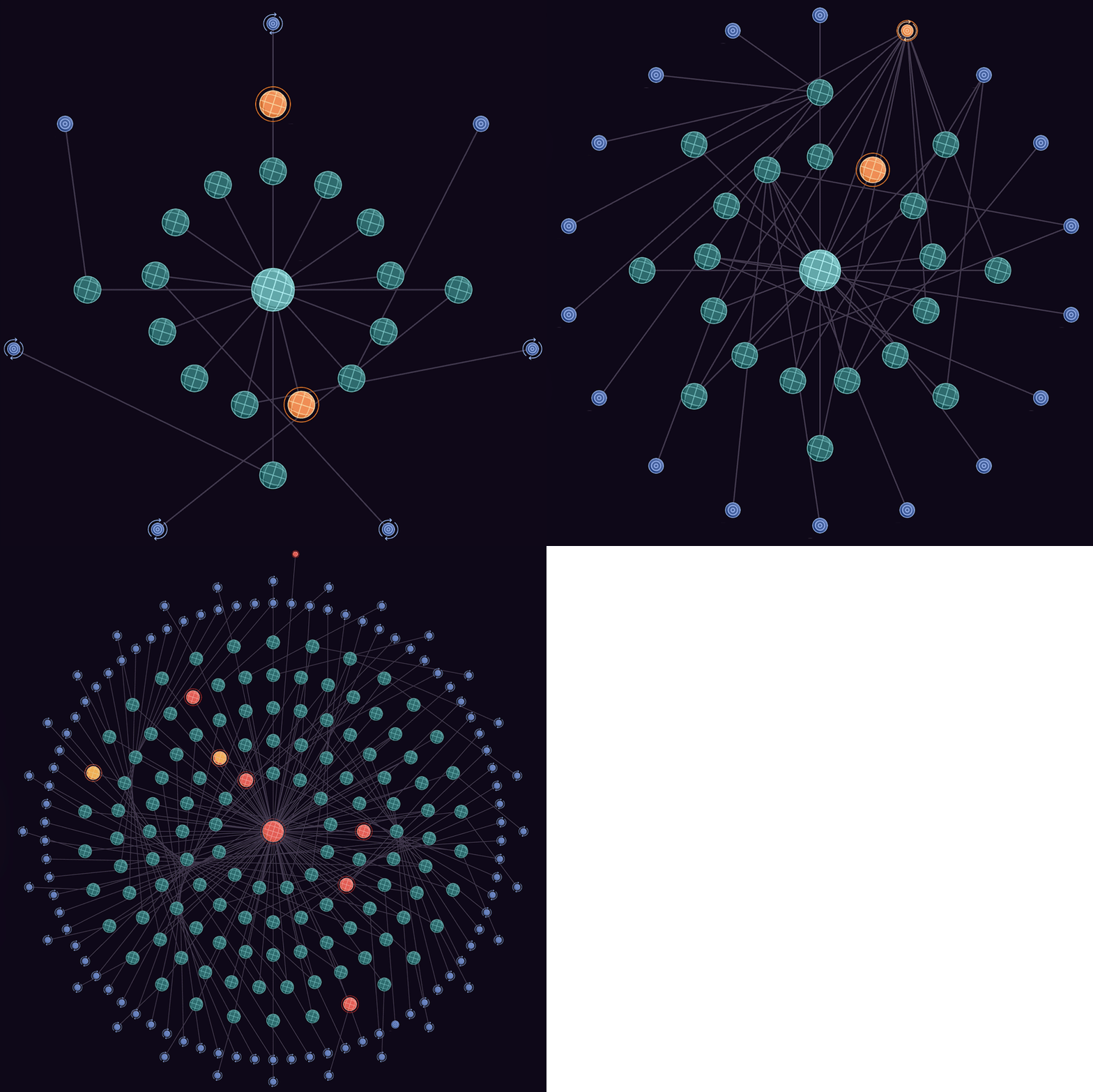
La fase Analizzare di Hadrian trasforma i dati grezzi di discovery in intelligence di sicurezza, costruendo un contesto approfondito e visualizzando le interconnessioni. Questo include integrazioni native cloud dirette con AWS, GCP e Azure, con l'inventario aggiornato ogni ora, senza eccezioni.
La correlazione continua degli asset viene visualizzata nell'Asset Graph di Hadrian, aiutando gli analisti a percepire le interconnessioni e a comprendere il raggio d'impatto di un potenziale percorso di attacco.
In modo cruciale, Hadrian utilizza il machine learning per identificare i domini lookalike utilizzati negli attacchi di phishing che potrebbero danneggiare la reputazione del tuo brand e i tuoi clienti. Inoltre, Hadrian esegue il monitoraggio del dark web per rilevare credenziali rubate tramite infezioni malware su un dispositivo edge all'interno di una rete.
Fai il primo passo nei panni del tuo avversario
Hadrian ti offre la prospettiva dell'hacker sulla tua attività esposta su internet per rafforzare la tua postura di cybersicurezza. Curioso di sapere cosa vedono?
Leader del settore
Hadrian è stato riconosciuto come leader nel GigaOm Radar Report for Attack Surface Management per il secondo anno consecutivo e ha ricevuto il New Product Innovation Award di Frost & Sullivan per la gestione delle superfici di attacco esterne.

Come esegue Hadrian l'inventario degli asset?
Hadrian esegue l'inventario degli asset tramite un processo continuo, automatizzato e agentless. A differenza dei metodi tradizionali che si basano su fogli di calcolo manuali o verifiche periodiche, Hadrian mappa dinamicamente l'intera impronta digitale di un'organizzazione a partire da un singolo dominio o nome di brand.
Cos'è la scansione basata su eventi?
La scansione basata su eventi è un approccio dinamico al testing di sicurezza in cui le valutazioni attive delle vulnerabilità vengono attivate da cambiamenti specifici o "eventi" all'interno dell'ambiente di un'organizzazione, piuttosto che basarsi esclusivamente su scansioni batch statiche e pianificate.
Come trova Hadrian Shadow IT e asset nascosti?
Hadrian rileva Shadow IT e infrastrutture nascoste combinando una scansione internet estesa, integrazioni cloud e IA proprietaria per mappare la completa superficie di attacco esterna. La piattaforma va oltre la scansione tecnica standard utilizzando il visual fingerprinting per associare asset disparati a un'organizzazione, mentre modelli di IA predittiva identificano sottodomini non censiti e indirizzi IP dinamici. Questo processo continuo ed event-driven attiva valutazioni immediate al rilevamento di cambiamenti, garantendo che anche gli ambienti dimenticati, le applicazioni SaaS di terze parti e le risorse cloud mal configurate vengano rilevate e validate in tempo reale.
Come l'IA Subwiz di Hadrian prevede i sottodomini nascosti con tale efficacia?
L'IA Subwiz di Hadrian va oltre i classici attacchi a dizionario utilizzando il machine learning per generare permutazioni intelligenti di wordlist basate su pattern di denominazione analizzati. Questo approccio predittivo identifica sottodomini nascosti assenti dai registri pubblici, che vengono poi immediatamente validati tramite SanicDNS, uno strumento di risoluzione ad alta velocità che opera 200 volte più velocemente delle alternative tradizionali. Combinando predizione guidata da IA e validazione rapida, Subwiz rileva oltre il 10% di sottodomini in più rispetto ai metodi convenzionali, rivelando efficacemente Shadow IT e asset che sfuggono al rilevamento standard.