Security leaders are increasingly told that they must strengthen their influence. Influence with the board, influence across digital transformation, influence in AI strategy. The advice sounds reasonable, especially as cybersecurity becomes more embedded in business decision making. Yet it obscures a more fundamental issue. Influence in cybersecurity is not primarily a communication challenge. It is a control challenge.
Boards are not asking for better storytelling. They are asking whether risk is understood and constrained as the organization scales. They want to know if AI can be deployed without expanding unmanaged exposure, whether digital growth increases attack surface faster than it reduces it, and whether regulatory scrutiny will uncover structural weaknesses. Those questions cannot be answered with positioning alone.
The pressure on security leadership is real. AI adoption is accelerating across business units. Distributed architectures and edge services are multiplying externally reachable systems. Governance expectations are tightening. In that environment, influence is fragile if it is not backed by measurable control.
This is where many programs struggle. They can report vulnerability counts, policy coverage, and maturity improvements. They can demonstrate activity. What they often cannot demonstrate is reduction in exploitable exposure.
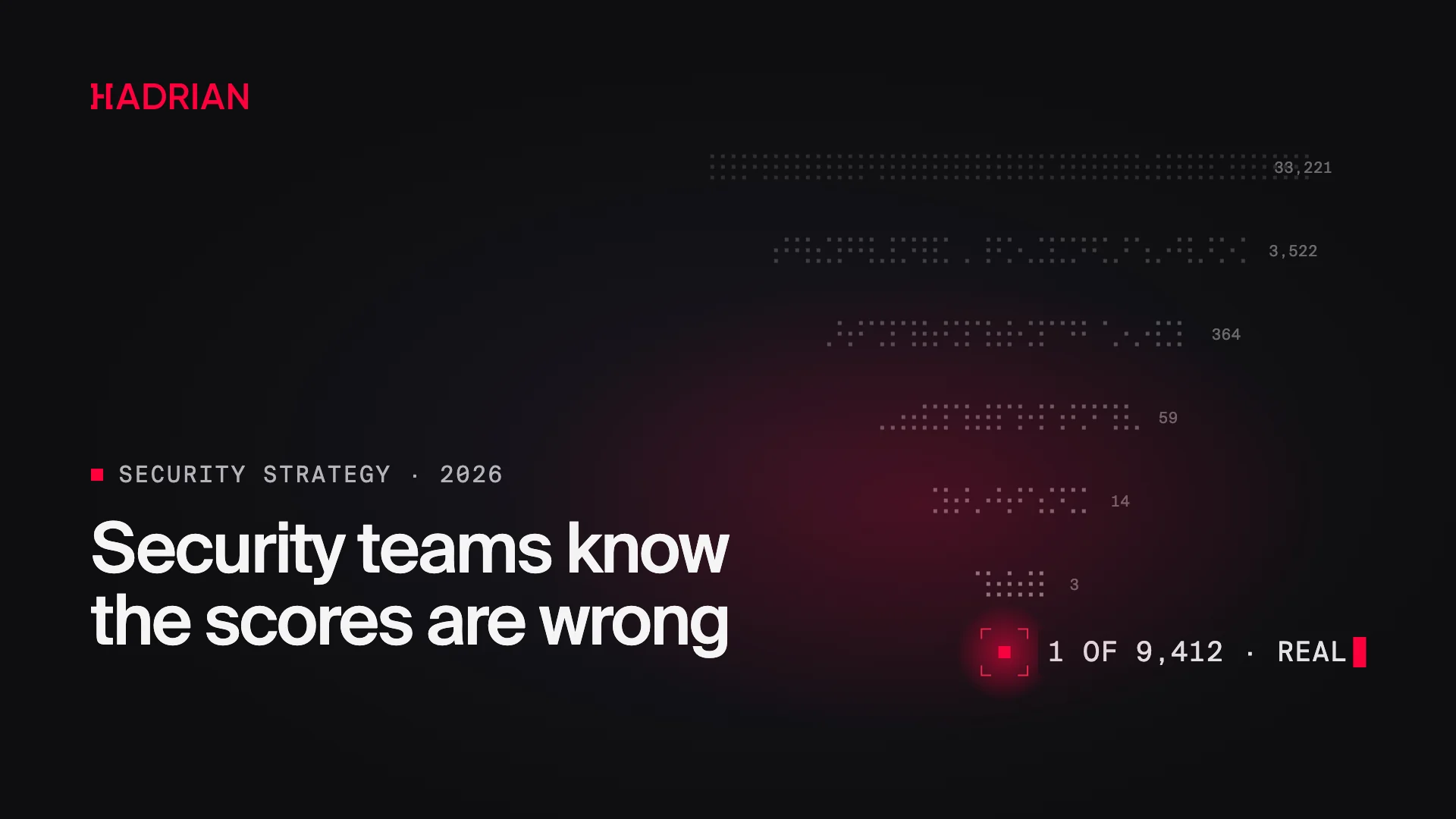
Our 2026 Offensive Security Benchmark data illustrates the gap. Only 0.47 percent of vulnerability scanner findings prove exploitable in practice. That means more than 99 percent of the issues teams spend time triaging do not represent a viable attack path. Reporting that emphasizes volume risks distracting from the small fraction of exposures that actually matter.
At the same time, attackers are focusing precisely on what is exposed. Seventy percent of intrusion chains now begin with exploitation of public-facing applications or edge infrastructure. The edge has become the dominant entry point, not because it is theoretically interesting, but because it is reachable and often insufficiently governed.
Disclosure is no longer a comfort. In 2025, 32 percent of zero-day vulnerabilities affecting edge technologies showed evidence of exploitation before public disclosure. By the time an organization begins formal remediation planning, activity may already be underway. Control cannot rely solely on reactive cycles.
Consider a common enterprise scenario. A new AI-enabled feature is launched to support a strategic initiative. Supporting APIs and staging environments are exposed during integration testing. A DNS record remains active longer than intended. Access assumptions are not independently verified. Nothing in the compliance dashboard signals urgency. From the outside, however, the asset is reachable, enumerable, and chainable into connected systems.
When such a scenario reaches the board, the discussion does not focus on how clearly security articulated risk in the last quarterly update. It focuses on whether the exposure was known, measured, and prioritized before it was exploited. If the answer is unclear, influence evaporates.
The core issue is measurement discipline. Many programs measure discovery and activity. How many assets were scanned. How many findings were identified. How many controls were implemented. Far fewer measure whether externally reachable attack paths are shrinking over time. Without that evidence, influence rests on narrative rather than on demonstrable restraint.
True influence at the board level is earned when security leaders can show that as the business grows, exploitable surface area does not grow with it. It is earned when they can demonstrate that edge exposure is identified quickly, validated for real-world risk, and reduced within defined timeframes. It is earned when reporting centers on exposure reduction trends rather than operational throughput.
Communication skills matter. Alignment with business objectives matters. But neither substitutes for control. Influence follows measurable risk containment.
If cybersecurity is to function as a strategic partner in an era defined by AI expansion and distributed infrastructure, the emphasis must shift from improving how risk is described to improving how exposure is constrained. Without that shift, calls for greater influence risk becoming cosmetic.
For a deeper look at how modern intrusion chains unfold and how leading organizations are measuring verified exposure reduction, read the full 2026 Offensive Security Benchmark Report.